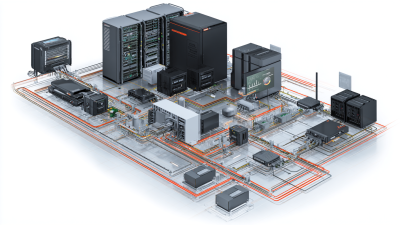
In today’s digital world, having a reliable network really isn’t optional anymore, right? That’s where an Optical Line Terminal (or OLT) comes into play—think of it as the backbone of your optical access network. It’s the device that handles the traffic between your users and the internet provider, making sure everything flows smoothly without hiccups.
Now, there are quite a few perks when you’re using an OLT. For starters, it can boost how efficiently your bandwidth is used. Most users will notice faster speeds and less lag—meaning smoother video streams, snappier gaming, and easier browsing. But here’s the thing—not all OLTs are the same. Some might not fit the specific needs of a business or service provider.
Big names like Cisco and Nokia have rolled out some pretty advanced OLT solutions. Still, setting them up and keeping them running smoothly isn’t just a plug-and-play situation. It takes some careful planning and expertise. So, investing in an Optical Line Terminal isn’t just about the upfront cost—it’s more about the long-term benefits you get from a solid and reliable network. Getting a good handle on these advantages can really help organizations make smarter choices when planning their network for the future.
An Optical Line Terminal (OLT) plays a crucial role in modern networks. It acts as the central hub for
Fiber to the Home (FTTH) architecture. The OLT manages data traffic and allocates bandwidth to different users.
This functionality is vital for delivering high-speed internet to households and businesses.
In this setup, the OLT communicates with Optical Network Units (ONUs) located at the user's premises. The connection is made via optical fibers, which offer high capacity and speed.
However, the deployment of OLTs can present challenges. Not all locations are suitable for installation. Some areas face infrastructure limitations that can hinder performance.
Moreover, while OLTs enhance network speed, they also require proper maintenance and management. Regular checks are essential to ensure optimal functionality.
Potential issues could lead to downtime, affecting user experience. As networks evolve, examining the efficiency of OLTs is necessary. Refining their performance may lead to better service delivery.
Optical Line Terminals (OLTs) offer numerous advantages for network operations. They serve as a crucial component in fiber optic networks, allowing for high-speed data transmission. OLTs can connect multiple endpoints in a network, supporting various services like internet, TV, and phone. This is essential for modern communication needs.
One major benefit is their ability to enhance bandwidth efficiency. OLTs efficiently manage data traffic. This leads to improved user experience. Isn’t that what we all want? Furthermore, they support long-distance transmission without significant signal degradation. This reliability makes them ideal for expanding network coverage.
Tip: When implementing OLTs, ensure proper installation. Poor setup might hinder performance. Regularly test connections to catch any issues early.
Another advantage is scalability. OLTs allow for easy upgrades. As your network grows, adding capacity becomes simpler. However, this scalability can lead to challenges in network management. It's essential to stay organized and track changes over time.
Tip: Keep a detailed log of all upgrades. This can help in troubleshooting later. It’s easy to overlook small details but they matter.
Investing in OLT technology ultimately enhances your network. Yet, the successful utilization of such technology requires careful planning and ongoing attention.
Optical Line Terminals (OLTs) are essential components in modern network infrastructure. One of their significant advantages is the increased bandwidth capabilities they offer. With OLTs, networks can efficiently handle higher data volumes. This is crucial in today's digital age, where streaming, gaming, and telecommuting are common.
Using an OLT, a network can achieve gigabit data transfer rates. This level of performance supports multiple users without noticeable slowdowns. Imagine households streaming several 4K videos simultaneously, all without buffering issues. However, achieving this potential may require careful planning. Network administrators must ensure optimal placement and configuration of these devices for best results.
While the benefits are clear, some installations might face challenges. For instance, the initial setup cost can be overwhelming. Maintenance and ongoing support are necessary to keep things running smoothly. As with any technology, it's vital to continually assess the effectiveness of OLTs in the network. Understanding limitations can help optimize performance and better serve multiple user needs.
Optical Line Terminals (OLTs) play a crucial role in enhancing network reliability and stability. They serve as the central hub for managing data traffic in fiber-optic networks. According to industry reports, networks with OLTs can experience up to a 60% reduction in downtime. This significant increase in reliability directly improves user experience, especially in commercial environments where uninterrupted service is vital.
The integration of OLTs strengthens signal integrity, resulting in clearer and faster data transmission. Reports indicate that optical fiber networks can support data speeds of up to 10 Gbps, ensuring sufficient bandwidth for high-demand applications. However, there are challenges. It is essential to consider potential installation and maintenance complexities. While OLTs facilitate high-speed communication, inadequate programming or configuration can lead to significant hurdles. This necessitates careful planning and training for staff.
Moreover, OLTs contribute to the overall stability of the network through redundancy and failover mechanisms. In times of unexpected failures, these systems can reroute traffic effectively. It's worth noting that an initial investment in OLTs can cause budget constraints for smaller organizations. Evaluating long-term benefits against upfront costs is crucial. Finding a balance between stability and financial feasibility remains a topic of discussion among network engineers.
Deploying Optical Line Terminals (OLTs) can significantly enhance network efficiency while being cost-effective. OLTs streamline data transmission, reducing operational costs. They use less physical infrastructure compared to traditional systems, saving on installation and maintenance. The long-term savings are evident as OLTs require fewer repairs.
Tips: Consider your current bandwidth needs. OLTs can effectively handle increased traffic without needing frequent upgrades. Assess your budget to maximize cost savings with OLTs.
Investing in OLTs also means lower energy consumption. They are designed to be energy efficient, which reduces utility bills. By minimizing the footprint of hardware, OLTs allow for more straightforward network management. Yet, adjusting to new systems can be challenging. Staff training may be necessary to fully leverage OLT capabilities.
Ultimately, the cost benefits of OLTs can lead to improved customer satisfaction. Faster and more reliable connections enhance user experiences. Ensure to evaluate the initial investment against long-term gains. Focus on how OLTs can uniquely fit into your network strategy.
Optical Line Terminals (OLTs) play a crucial role in network infrastructure. One of their standout features is scalability. As your network demands grow, OLTs can easily adapt. They support increased user connections without a complete redesign. This flexibility is vital for businesses expanding services.
The architecture of OLTs allows for seamless upgrades. It's not just about adding users. OLTs can enhance bandwidth effectively. For instance, as residential and commercial needs surge, OLTs ensure reliable service. Investing in these terminals means planning for future growth.
However, there are challenges to consider. Not all systems integrate smoothly. The learning curve for managing upgraded equipment can be steep. Proper training is essential for staff. It's crucial to reflect on the potential obstacles as well. Balancing growth and technical demands is not always straightforward.
Optical Line Terminals (OLTs) play a crucial role in enhancing network security. Serving as the endpoint for fiber optic lines, they manage data traffic and ensure optimal performance. With increased cyber threats, organizations need robust systems. A report by the International Data Corporation indicates that 86% of enterprises now prioritize network security.
One notable benefit of OLTs is their ability to isolate traffic more effectively than traditional systems. They employ encryption protocols that safeguard data during transmission. A recent study found that networks utilizing OLTs had a 50% decrease in security breaches compared to older technologies. This significant drop highlights the essential role OLTs play in a secure network environment.
Despite these advantages, challenges exist in implementation. Some users report difficulties in integrating OLTs with legacy systems. This friction can lead to vulnerabilities if not properly addressed. Continuous monitoring and updates are crucial to avoid exploitation. Balancing the benefits and challenges is necessary to fully leverage the security capabilities of Optical Line Terminals.
The following chart illustrates the top benefits of implementing an Optical Line Terminal (OLT) in your network, highlighting improvements in various aspects such as security, efficiency, and scalability.
The increasing demand for Fiber to the Home (FTTH) solutions has been a focal point in recent global fiber optic market reports. These reports indicate a significant shift towards high-speed internet connectivity as consumers and businesses alike seek reliable and robust networking solutions. With FTTH technology, users benefit from enhanced internet speeds, greater reliability, and improved overall user experience, making it an attractive option for many.
One key product that stands out in this growing market is an advanced Optical Line Terminal (OLT) model, designed to meet the complexities of modern demand. This OLT supports open compatibility with various Optical Network Units (ONUs), simplifying deployment in diverse networking environments. Its management capabilities through EMS, web interface, Telnet, and CLI enable users to efficiently configure and monitor their networks. Furthermore, the emphasis on multiple security guarantees ensures that users can trust their networks are protected at various levels, including user, device, and network security. This focus on security, along with ease of management, highlights the evolving requirements of users in this rapidly advancing technological landscape.
: Take a break and breathe deeply. Reflect on your feelings. Sometimes stepping back helps clarity.
Find activities that relax you. Walking, reading, or listening to music can relieve tension. Experiment to find what works.
Yes, many people feel this way. It’s important to acknowledge these feelings rather than suppress them.
Create a daily schedule. Prioritize tasks, and limit distractions. Regularly review what you accomplished, and what could improve.
Set small, achievable goals. Celebrate your successes. Remind yourself why you started in the first place.
View failure as a learning opportunity. Reflect on what went wrong, and consider alternate strategies for next time.
An Optical Line Terminal (OLT) serves as a critical component in modern networking, providing numerous advantages for both service providers and users. The introduction of OLTs enhances network functionality and enables increased bandwidth capabilities, allowing for faster data transmission and improved user experiences. Their deployment significantly bolsters network reliability and stability, ensuring consistent service delivery even during peak usage times.
Furthermore, Optical Line Terminals present a cost-effective solution when considering long-term operational and maintenance expenses. They also offer scalability features that accommodate future growth, making them an ideal choice for expanding networks. Additionally, OLTs incorporate improved security measures, helping to safeguard data against potential threats. Overall, adopting Optical Line Terminals in a network infrastructure can lead to enhanced performance, efficiency, and security, making them a valuable asset for any organization looking to optimize its connectivity.