0%

In the fast-paced world of telecom, picking the right equipment can really make or break your network’s performance. When it comes to the gear, the GE-PON (Gigabit Ethernet Passive Optical Network) OLT (Optical Line Terminal) is pretty much a key player. I came across a report from MarketsandMarkets that said the global market for optical network gear is expected to hit about $30.5 billion by 2026—growing at roughly 7.2% annually. That’s a clear sign that everyone’s really counting on reliable, high-quality network solutions these days.

Now, choosing the perfect GE-PON OLT isn’t something you want to rush into. A lot of folks tend to overlook some pretty important specs—like how much bandwidth they really need or whether the gear can grow with them down the line. Sure, giants like Huawei and Nokia have a bunch of options, but not every solution fits every situation. And I get it—those low-cost OLTs can look tempting, especially if you're on a tight budget, but sometimes they’re missing the advanced features that you’ll probably need later on. It’s also really worth checking in on how reliable the vendor is and what kind of support they offer for their products over time.

Ultimately, picking the right GE-PON OLT is a decision that can stick with you for a while—it impacts how dependable and efficient your network is in the long run. Putting some thought into the different models out there and really understanding what your current and future needs are can make a world of difference. Trust me, a little extra effort now can save you a lot of headaches down the road.

How to Choose the Best Gepon Olt for Your Network Needs?

Understanding Gepon OLT and Its Significance in Network Infrastructure

How to Choose the Best Gepon Olt for Your Network Needs?

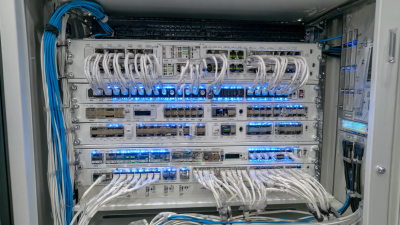
Gepon OLT (Optical Line Terminal) plays a crucial role in modern network infrastructure. It serves as the central point for delivering high-speed internet to various users. Understanding its significance ensures better performance and reliability in your network.

When selecting a Gepon OLT, consider your specific needs. Assess the number of users and data demands. This helps in choosing the right capacity. Opt for models that provide scalability. Upgrading may be necessary as your network grows.

Tips for choosing:

1. **Check Compatibility**: Ensure the OLT can work smoothly with your existing hardware.

2. **Evaluate Vendor Support**: Reliable support from vendors can prevent future headaches.

3. **Look for Redundancy Features**: These features enhance uptime and reliability.

Every network is unique. Reflect on your specific challenges. A one-size-fits-all solution may not work effectively. Prioritize your unique requirements for optimal results. The right Gepon OLT can transform how your network operates, delivering speed and efficiency.

Key Features to Consider When Selecting a Gepon OLT Device

Choosing the right EPON OLT (Optical Line Terminal) for your network is crucial. Start by evaluating the number of ports. More ports often mean greater connectivity for your users. Consider your current bandwidth needs and future growth potential. An OLT with scalable options can save you from frequent upgrades.

Another key feature is compatibility with your existing infrastructure. Ensure the OLT supports the protocols you currently use. Look for devices that offer flexible management options. A user-friendly interface can simplify network monitoring. This can help you identify issues quickly and maintain performance.

Power consumption is also important. Efficient devices can lower operational costs. However, be mindful of trade-offs. Higher efficiency might lead to a higher initial investment. Finally, reliability is essential. Research user reviews and expert opinions to gauge the durability of the OLT. Always weigh the pros and cons to find the best fit for your unique needs.

Evaluating Network Requirements for Optimal Gepon OLT Performance

How to Choose the Best Gepon Olt for Your Network Needs?

When evaluating network requirements for optimal Gepon OLT performance, it is essential to focus on bandwidth, scalability, and reliability. Start by assessing your current and future bandwidth needs. Determine the number of users and devices connected to the network. This helps establish how much data throughput is necessary. Understanding peak usage times is also crucial for ensuring that your system can handle high traffic without lag.

Consider scalability as you build your network. An ideal OLT should support expansion as demand grows. Think about the potential for adding more users in the future. If your OLT cannot scale, you may face issues as your network evolves. Look for models that allow modular upgrades. This will save you time and costs later on.

Reliability is another critical factor. You want an OLT that minimizes downtime. Check for features like redundancy and failover capabilities. These aspects ensure consistent network performance.

Tips: Do not overlook user feedback on OLT performance. Real-world experiences provide insight into potential issues. Always read reviews and case studies before making a decision. Also, consider having a backup plan for network disruptions. This can include maintaining spare equipment or implementing alternative service options.

Comparing Different Gepon OLT Models and Their Specifications

When selecting a GEPON OLT, understanding different models and their specifications is crucial. Each model offers unique features suited for various network scenarios. Some models might provide higher data rates, while others may focus on increased ports. Analyzing these specifications helps align the OLT’s capabilities with your network's demands.

Performance metrics such as throughput and latency are vital. Higher throughput supports more users simultaneously, enhancing overall performance. However, latency impacts user experience significantly. Some models may lack adequate documentation for performance testing, presenting challenges for network engineers during comparison.

Compatibility with existing infrastructure should not be overlooked. Certain OLTs may integrate seamlessly with older systems; others might require significant adjustments. It’s essential to assess your current setup carefully before making a decision. Regular updates to specifications also lead to confusion. Staying informed about the latest models can make all the difference. Each choice carries potential both for growth and setbacks, emphasizing the need for due diligence.

Budgeting for Your Gepon OLT Investment: What to Expect

Budgeting for a Gepon OLT investment requires careful consideration. Start by assessing your network demands. Identify how many users you need to support and the desired speed. These factors will directly influence your costs. Prices can vary widely based on capacity and features.


Factor in additional expenses beyond the initial purchase. Installation, maintenance, and training all add to the total cost. Some equipment may require more technical expertise, raising training costs. Furthermore, consider future scalability. Investing in a slightly more advanced model may save money down the line.


Be aware of ongoing operational costs. Energy consumption is often overlooked but crucial. It might affect your overall budget more than anticipated. Review warranty options too. A strong warranty can be a good indicator of reliability, but it may come at a price. Balancing your budget with expected performance brings its own challenges. Each network is unique, and what works for one may not fit another.

Installation and Maintenance Considerations for Gepon OLTs

When installing a GE-PON OLT, proper planning is crucial. Understanding the physical environment is essential. Ensure adequate space and cooling to prevent overheating during operation. Employ organized cabling to avoid signal interference. This practice aids in troubleshooting later on. Regular checks for dust accumulation can enhance longevity.

Maintenance plays a significant role in performance. Schedule periodic inspections to ensure functionality. Watch for firmware updates; they can enhance security and efficiency. Engage with detailed documentation for troubleshooting common issues. A flexible approach is valuable. Sometimes, planned maintenance reveals underlying problems. Adapting strategies based on observations can lead to better decision-making.

Regular training for the team is equally important. Knowledgeable staff can address unforeseen situations swiftly, reducing downtime and maintaining service quality.

Future-Proofing Your Network: Scalability of Gepon OLT Solutions

Choosing a suitable GPON OLT is crucial for network performance. Scalability is key for future-proofing your network. As user demands grow, your network should adapt seamlessly. An ideal OLT should support a variety of wavelengths and configurations. This flexibility allows for expansion without major overhauls.

Many networks experience rapid growth. A well-chosen OLT can help accommodate this. Look for solutions that allow adding more users without compromising speed. Consider the technology's ability to integrate with existing infrastructure. A scalable solution might initially appear more costly. However, it often leads to long-term savings.

Monitor your network’s growth patterns. Are your demands likely to increase? Being proactive can save both money and time. Evaluate current usage statistics regularly. Adjustments based on accurate data will enhance your network's efficiency. Investing in a scalable OLT might lead you to rethink your overall strategy. This proactive approach can ensure you remain competitive in an ever-evolving landscape.

How to Choose the Best Gepon Olt for Your Network Needs?

This chart illustrates the scalability and performance metrics of different OLT solutions in a network environment. These factors are crucial when selecting an optimal GEpon OLT solution for future-proofing your network.

FAQS

: What should I consider when selecting a GEPON OLT?

: Analyze the models and their specifications. Focus on features like data rates and port numbers.

Why are performance metrics important for GEPON OLTs?

Metrics such as throughput and latency affect user experience. Higher throughput supports more users effectively.

What challenges might arise during model comparison?

Some models lack proper documentation for performance. This makes it hard for engineers to evaluate them.

How important is compatibility with existing infrastructure?

It is crucial. Some OLTs fit seamlessly, while others may need adjustments. Assess your setup carefully.

Why is proper installation planning necessary?

Understanding the physical space and cooling prevents overheating. Organized cabling avoids interference and aids troubleshooting.

What role does maintenance play for GEPON OLTs?

Regular inspections and updates improve performance. Maintenance reveals potential issues and helps in decision-making.

How can I improve the longevity of a GEPON OLT?

Schedule periodic checks and clean dust buildup. Regular maintenance ensures it runs efficiently.

What is the benefit of training staff on GEPON OLTs?

Knowledgeable staff can handle unforeseen issues. This reduces downtime and improves service quality.

What common issues might I face with GEPON OLTs?

Lack of documentation and configuration errors are common. Being prepared for these can ease troubleshooting.

How often should I check for firmware updates?

Regular checks for updates enhance security and efficiency. Stay informed about your OLT's performance.

Conclusion

Choosing the best Gepon Olt for your network involves a comprehensive understanding of its role and features within your infrastructure. Key considerations include assessing your network’s specific performance requirements, such as bandwidth, user capacity, and future growth potential. Evaluating different Gepon Olt models against these needs helps ensure optimal performance and scalability.

Budget planning is also crucial, balancing investment costs with long-term benefits. Proper installation and ongoing maintenance practices will maximize device longevity and network reliability. By focusing on scalability and future-proofing, you can select a Gepon Olt solution that adapts to evolving technological demands, ensuring a robust and efficient network infrastructure over time.

Blog Tags:

Isabella

Isabella

Isabella is a dedicated marketing professional at Hangzhou Sofitel Optoelectronic Equipment Co., Ltd., where she excels in promoting the company's advanced optoelectronic products. With a deep understanding of the industry, Isabella consistently showcases her expertise through insightful blog......
Previous Best Power Over Ethernet Switch Options for Global Buyers?