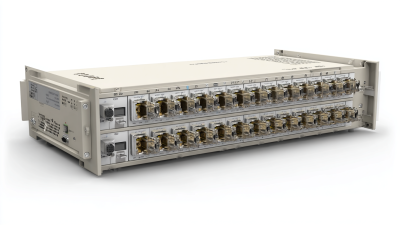
Picking the right distribution box is actually pretty important across a bunch of industries. I came across a report from MarketsandMarkets that says the global market for these boxes is expected to hit around $3.57 billion by 2026, growing at about 5.5% annually. That clearly shows how much there’s been a rising demand for dependable electrical distribution solutions—whether it’s for homes, businesses, or factories.
When you're trying to choose a distribution box, there are quite a few things to keep in mind. Stuff like where you're installing it, how much load it needs to handle, and the environment it’s going into all matter a lot. For example, if the box is for outdoor use, it’s gotta be weatherproof. Companies like Schneider Electric really stress how important durability and safety standards are—because at the end of the day, you want something that’ll last and keep things safe.
Honestly, with so many options out there, making the right choice isn’t always easy. Not all distribution boxes are built the same, and picking one that doesn’t quite fit your needs can end up costing you in the long run. That’s why it’s so important to really figure out what you need first. Knowing the right specs and requirements makes all the difference when it comes to performance and peace of mind.

Understanding Distribution Boxes and Their Functionality
Distribution boxes play a critical role in electrical systems. They protect circuits and distribute power efficiently. Understanding their functionality is essential for choosing the right box for your needs. According to the National Electrical Manufacturers Association (NEMA), improper selection can lead to operational failures, costing businesses over $2 billion annually.
These boxes come in various types and ratings, tailored for different applications. For instance, industrial settings often require enclosures with higher IP ratings to resist dust and water. Data from the International Electrotechnical Commission (IEC) shows that about 35% of electrical failures are due to inadequate protection from environmental factors. Selecting the right box can prevent these issues, enhancing system reliability.
Moreover, it's important to consider factors such as load capacity and installation conditions. Manufacturers recommend assessing maximum load ratings carefully. An ill-suited distribution box might lead to overheating or short circuits. Review data and user reports to better understand real-life applications. This approach highlights the importance of making informed, practical choices in distribution box selection.
Key Factors to Consider When Selecting a Distribution Box
Choosing the right distribution box can be challenging. It's crucial to focus on specific factors to make an informed decision. Start by assessing the electrical requirements of your project. Understanding the load capacity needed is essential. You don’t want to choose a box that is either too small or excessively large. An overload can lead to failures, while an oversized box can waste space.
Consider the environment where the box will be installed. Outdoor installations require weatherproof features. Boxes exposed to moisture should have proper sealing and material. For indoor use, ensure the box complements your space and meets safety standards. Pay attention to living conditions. Dusty or humid environments can impact the box’s efficiency over time.
Another factor involves accessibility. Ensure you can easily access the distribution box for maintenance. Lack of access can lead to difficulties in troubleshooting issues. Safety must never be compromised. Improper installations can pose serious risks. Reflect on the future needs too. As demands change, you may need to upgrade components later. Planning ahead can save time and resources.
How to Choose the Right Distribution Box for Your Needs? - Key Factors to Consider When Selecting a Distribution Box
| Factor |
Description |
Considerations |
| Size |
The physical dimensions of the distribution box. |
Ensure it fits the designated installation space. |
| Material |
The material used affects durability and insulation. |
Common materials include metal and plastic; consider the environment. |
| Number of Circuits |
Determines how many electrical circuits the box can handle. |
Assess current and future electrical needs. |
| Ingress Protection (IP) Rating |
Indicates the level of protection against dust and moisture. |
Choose a higher rating for outdoor or damp locations. |
| Compliance Standards |
Adherence to local electrical codes and safety standards. |
Verify regulations applicable in the installation area. |
Types of Distribution Boxes Available in the Market
When selecting a distribution box, understanding the types available is crucial. There are several types to consider, tailored to different applications. For instance, standard distribution boxes are common in residential settings. They typically house circuit breakers and connect electrical wiring.
For more specialized needs, you might explore weatherproof boxes. These are designed for outdoor use, protecting against moisture and debris. They are essential in areas prone to harsh weather. Additionally, there are modular distribution boxes, which allow for custom layouts. This flexibility is valuable for complex installations.
While there are many options, it's essential to reflect on your specific requirements. Not all boxes will fit every need perfectly. Sometimes, the cheapest option can lead to problems down the line. Consider factors such as capacity, location, and compatibility with existing systems. This careful consideration will enhance both safety and efficiency in your electrical setup.
Assessing Your Power Requirements for Distribution Boxes
When selecting a distribution box, understanding your power requirements is critical. The first step is assessing the total load of all connected devices. According to the National Electrical Manufacturers Association (NEMA), the average household can demand anywhere from 5,000 to 10,000 watts. However, this can vary significantly based on local energy needs and the number of appliances used.
Consider the type of distribution box you need based on these power requirements. Residential areas typically require simpler boxes, while commercial settings demand more complex systems. A report from the International Electrotechnical Commission (IEC) highlights that proper load assessment can prevent overheating and system failures. It's essential to factor in peak loads, as they can exceed regular usage by up to 30%.
In real-world applications, many find themselves underestimating their power needs. For instance, a workshop using power tools may need more capacity than a standard residential box offers. Additionally, if you plan to expand your setup in the future, it’s wise to choose a distribution box with extra capacity. Keeping future growth in mind can save you from potential issues down the line. Make sure to document and regularly review your power consumption to ensure your distribution box meets your evolving needs.
Power Requirements Assessment for Distribution Boxes
Material and Durability Considerations for Distribution Boxes
When selecting a distribution box, material and durability are key factors.
Metal boxes offer strength and resistance to impact. They withstand harsh environments better than plastic.
On the other hand, plastic boxes are lightweight and resistant to corrosion.
They are ideal for indoor applications where exposure to moisture is limited.
Durability depends not just on the material but also on construction quality. Look for boxes with sturdy hinges and seals.
These features enhance longevity. Weather-resistant coatings on metal can help prevent rust.
In contrast, UV resistance in plastic boxes can prolong their life under sunlight.
Consider where the box will be installed. An outdoor or industrial setting necessitates a tougher build.
Indoor installations may allow for lighter materials. Reflect on your needs.
Will the box face extreme conditions? Such considerations will ensure that you choose a distribution box that truly fits your requirements.
Installation and Maintenance Tips for Distribution Boxes
When it comes to installing and maintaining distribution boxes, proper techniques play a crucial role in systems' longevity and safety. Industry reports show that up to 30% of electrical failures can be traced back to poor installation practices. Correctly installing a distribution box involves ensuring that connections are tight and secure. Use quality materials to avoid future issues.
Regular maintenance is essential. Inspect the distribution box at least twice a year. Look for signs of wear, corrosion, or overheating. Studies indicate that proactive maintenance can increase the lifespan of electrical systems by 40%. Addressing small issues quickly is vital. Replace any damaged components promptly to prevent bigger problems.
It's worth noting that many professionals overlook the importance of proper load calculations. Misjudging load can lead to overloading, causing significant safety hazards. Continuous education and awareness are critical. Installers must stay updated on best practices. Embrace the lessons learned from common installation mistakes to improve future projects.
Cost Analysis: Budgeting for the Right Distribution Box
When budgeting for a distribution box, consider your specific needs and usage. The price can vary significantly based on size, materials, and features. A basic model may cost less, but often, it lacks essential safety features. Investing in a higher-quality box can prevent costly repairs down the line.
Analyze the unique demands of your setup. A larger building may require multiple, more robust boxes. Extra features like surge protection are crucial for sensitive equipment. While these options increase expenses, they may save money later by ensuring better efficiency and safety.
It's also wise to account for installation costs. Professional installation can add to your initial budget, but it can ensure proper functionality. A poorly installed box can lead to safety hazards. Always weigh immediate costs against long-term benefits for a more reliable decision.
FAQS
: Common materials include metal and plastic. Metal offers strength, while plastic is lightweight and corrosion-resistant.
Durability is influenced by material and construction quality. Strong hinges and seals enhance a box's lifespan.
Yes, metal boxes are better for harsh environments. They resist impact and are weather-resistant with proper coatings.
Plastic boxes are ideal for indoor use, especially where moisture exposure is limited. They are lighter and easier to handle.
Analyze your needs, including size, materials, and essential features. Basic models may lack necessary safety elements.
Yes, a higher-quality box can prevent costly repairs later. Investing now can enhance efficiency and safety in the long run.
Professional installation may raise initial costs, but it ensures functionality and safety, avoiding future hazards.
Consider features like surge protection, especially for sensitive setups. They may increase upfront costs but save money later.
Absolutely. Factors like location and potential exposure to extreme conditions should guide your choice of material and type.
Many overlook construction quality. Strong hinges and seals are essential for durability, just as important as the material itself.
Conclusion
Choosing the right distribution box is crucial for effectively managing electrical supply in various applications. Understanding the functionality of distribution boxes is essential, as they centralize and protect electrical circuits, ensuring safety and reliability. When selecting a distribution box, several key factors come into play, such as assessing power requirements, considering the material and durability needed for specific environments, and evaluating installation and maintenance needs.
Different types of distribution boxes are available in the market to cater to diverse requirements, ranging from residential to industrial use. Additionally, performing a cost analysis is vital in budgeting for the right distribution box, ensuring that you make a financially sound decision that meets your electrical needs while maintaining quality. Ultimately, selecting the appropriate distribution box involves careful consideration of functionality, requirements, and budget to ensure optimal performance and safety.